There’s a lot going on here.
The topics discussed in Gopher Games are incredibly complex, so we’ve worked hard to make the film concise and easy-to-understand.
But for those who want to dive in deeper or double-check our work, we’ve created the LEARN page so you can go as far down the gopher hole as you’d like. If we’re missing something or you find an error, please let us know so we can address it.
NOTE: The information in this page is presented chronologically. Each topic is listed in the same order as it is discussed in the documentary.
Tool for Teachers
This worksheet was created by a Central Florida teacher and she’s given us permission to share it! It’s intended to be used while students watch the documentary.
Download Here
GOPHER TORTOISES
The Basics
Overview
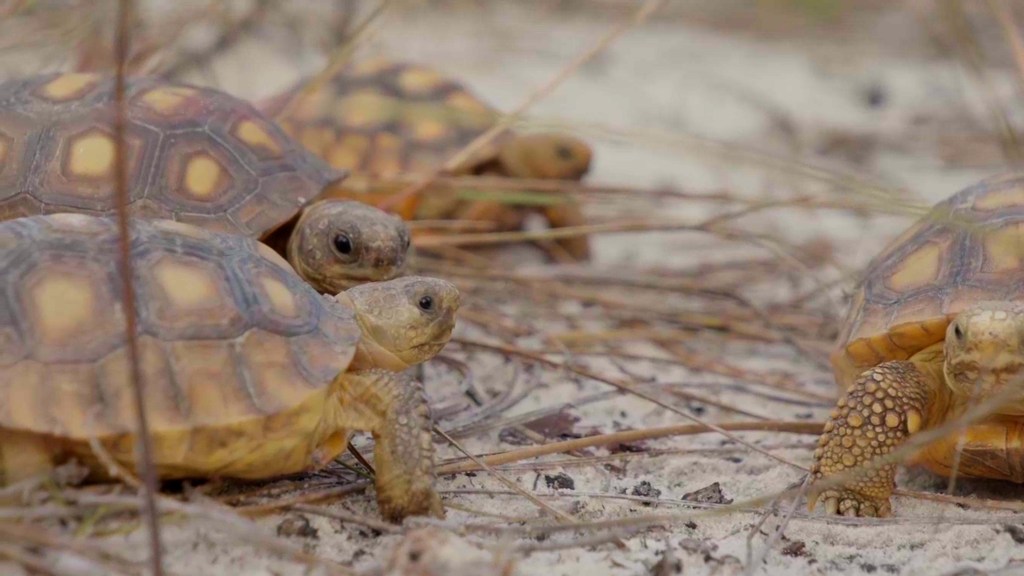
Gopher tortoises (Gopherus polyphemus) are reptiles found throughout the Southeast United States. They are named after their distinctive moon-shaped burrows. These tortoises live in upland habitats and eat local plants for their diet. They reach a size of up to 15 inches long. Gopher tortoises live between 40 and 60 years in the wild, but Gus, the longest-living recorded individual in captivity, is currently 101 years old. Female gopher tortoises living in the northern parts of their range can take up to 20 years to become sexually mature, meaning it is hard for their species to recover quickly from a loss in population.
Keystone Species
Gopher tortoises are considered a “keystone species,” which means that they have an oversize impact on the other plants and animals with which they live. Gopher tortoise burrows play such an important role in the lives of these other creatures that losing the tortoises and their burrows means entire ecosystems are changed or even destroyed altogether.
Tortoise Burrows
Since the ecological importance of these burrows cannot be overstated, we have included an entire section on it. Please see TORTOISE BURROWS: Digging Down (below).
Helpful Links
TORTOISE BURROWS
Digging Down
Overview
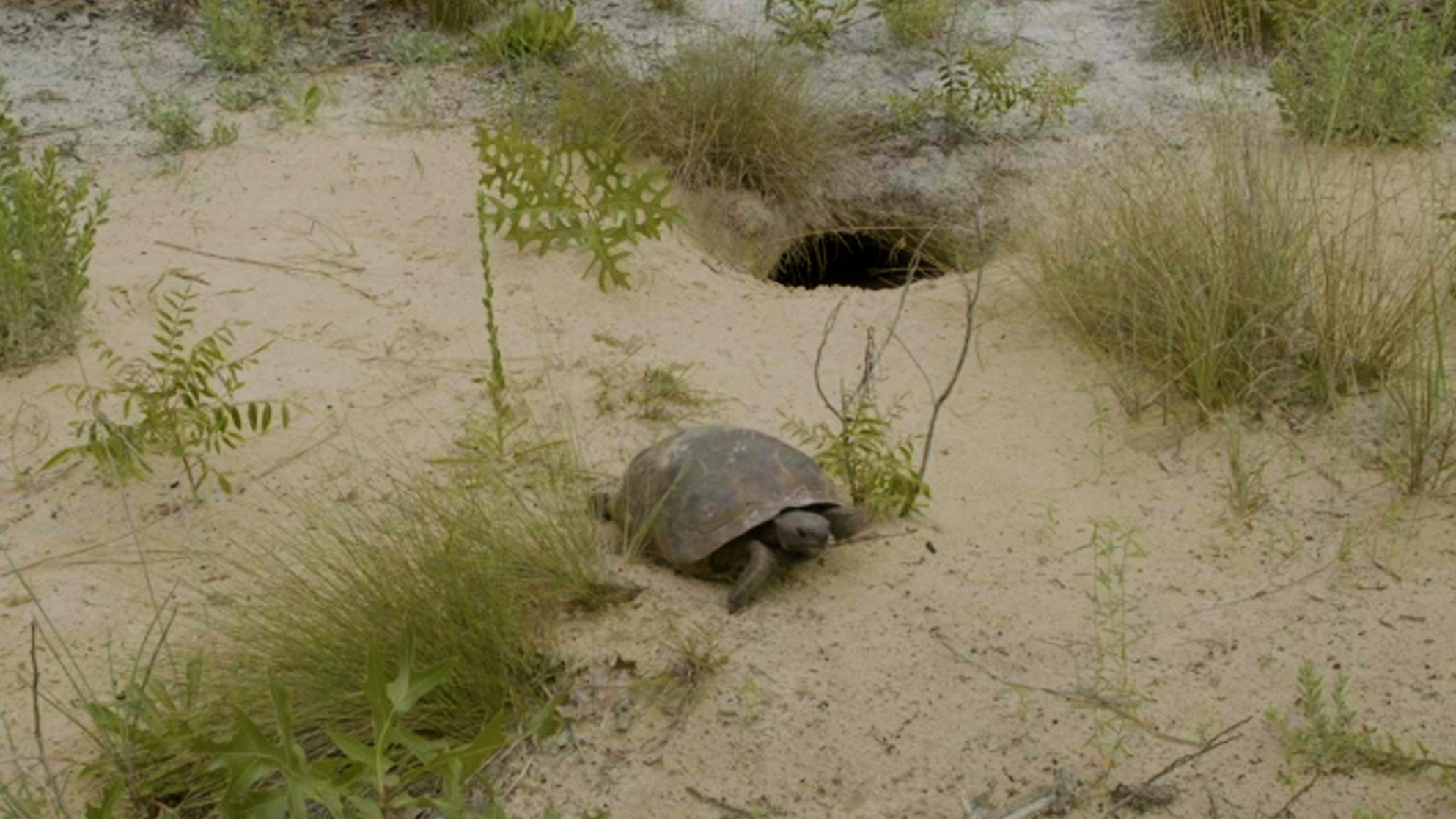
Gopher tortoises get their name from the distinctive sandy burrows they dig in the uplands where they live. Tortoise burrows typically are about 15 feet long, although burrows up to 67 feet long have been recorded. Gopher tortoises use their powerful legs to churn up sand and are impressive diggers!
Identifying Gopher Tortoise Burrows
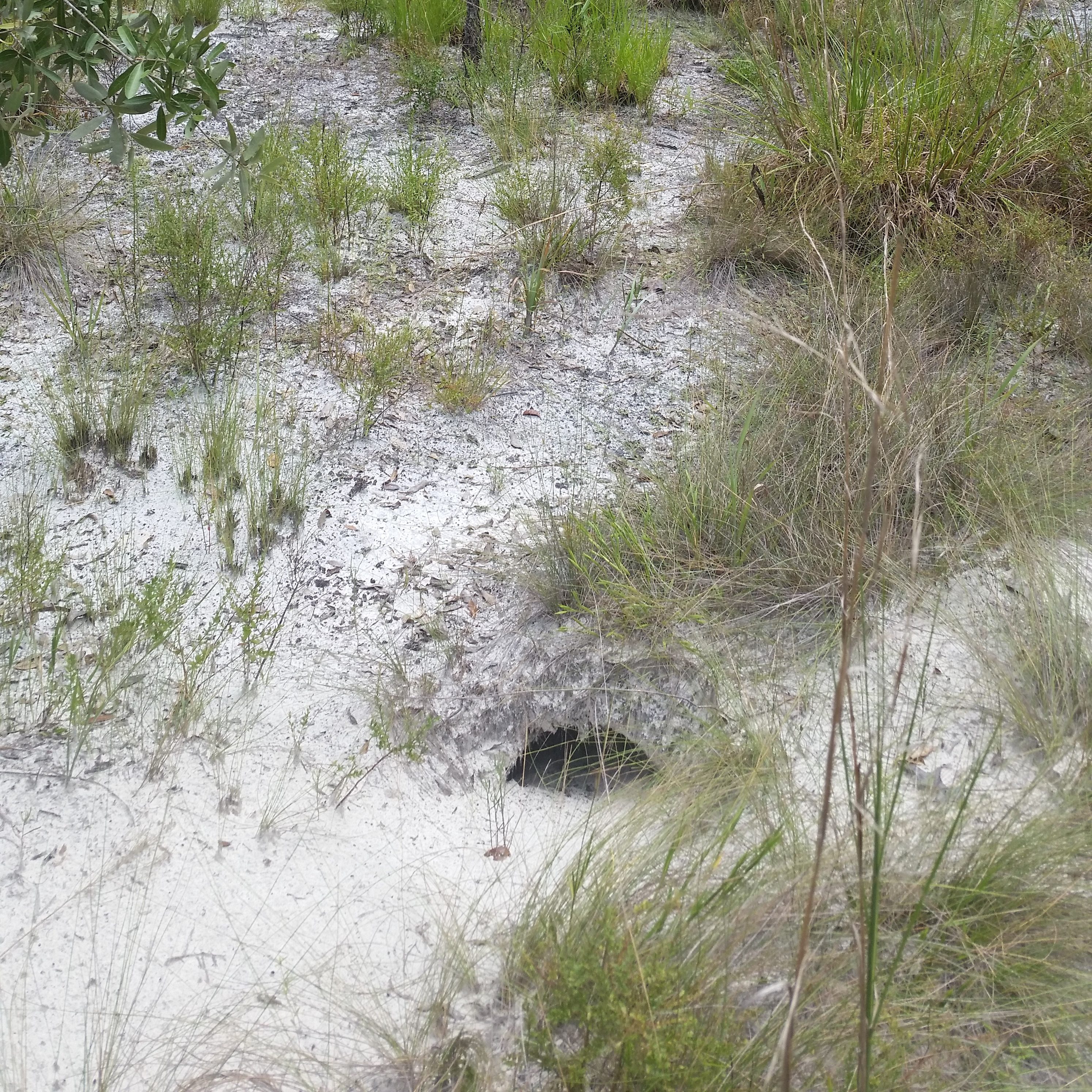
Gopher tortoise burrows have half-moon shaped entrances and a sandy area out front called the “apron.” The size of tortoise burrows varies depending on the size of the resident tortoise who did the digging, or the dominant male in the area. Burrows with tortoises living in them have very sandy aprons and usually feature tortoise tracks. Burrows can have three activity levels: active, inactive, and abandoned. The Florida FWC guidelines describe both “active” and “inactive” burrows as “potentially occupied” (PO) for permitting purposes.
Commensal Species
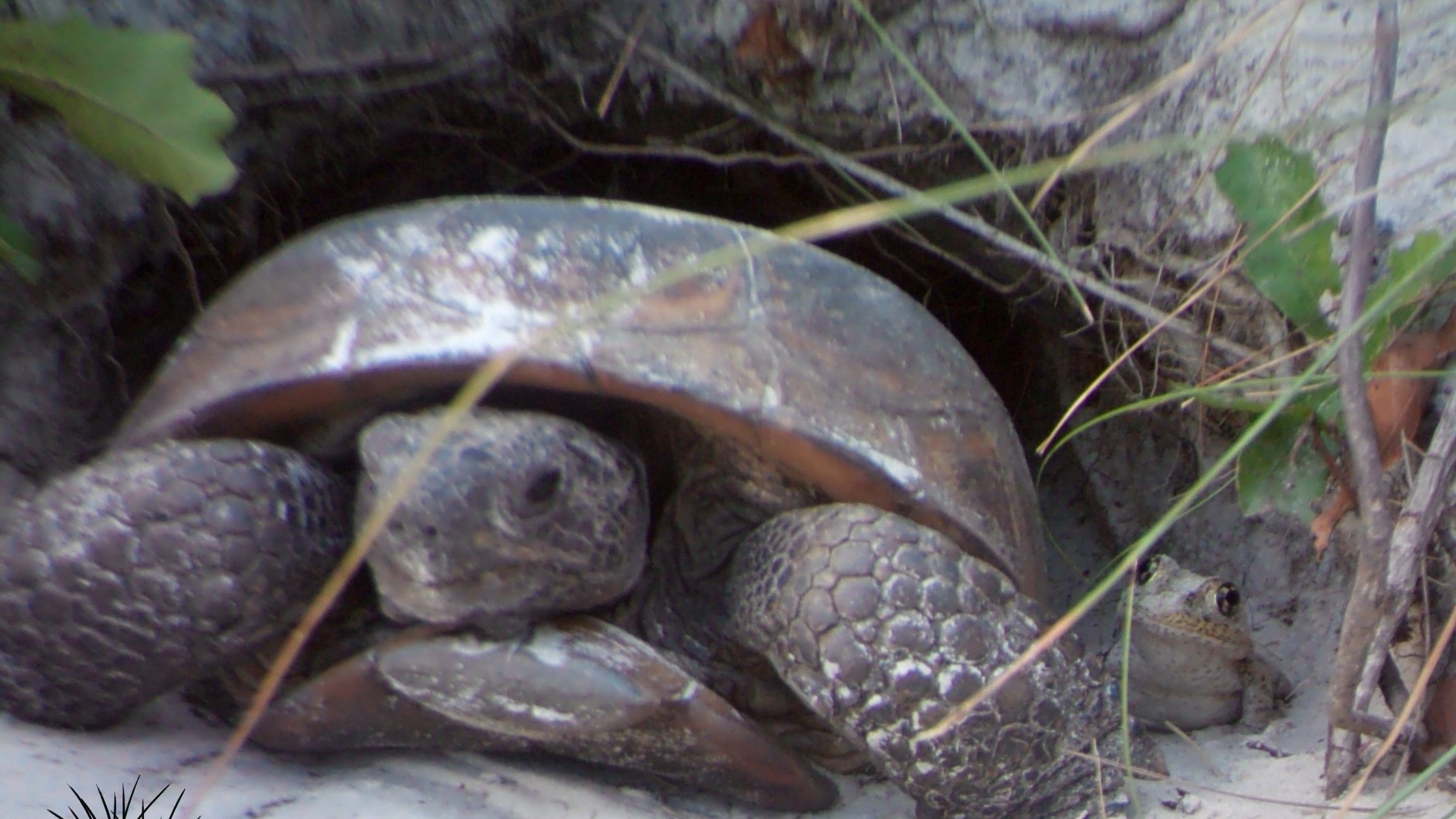
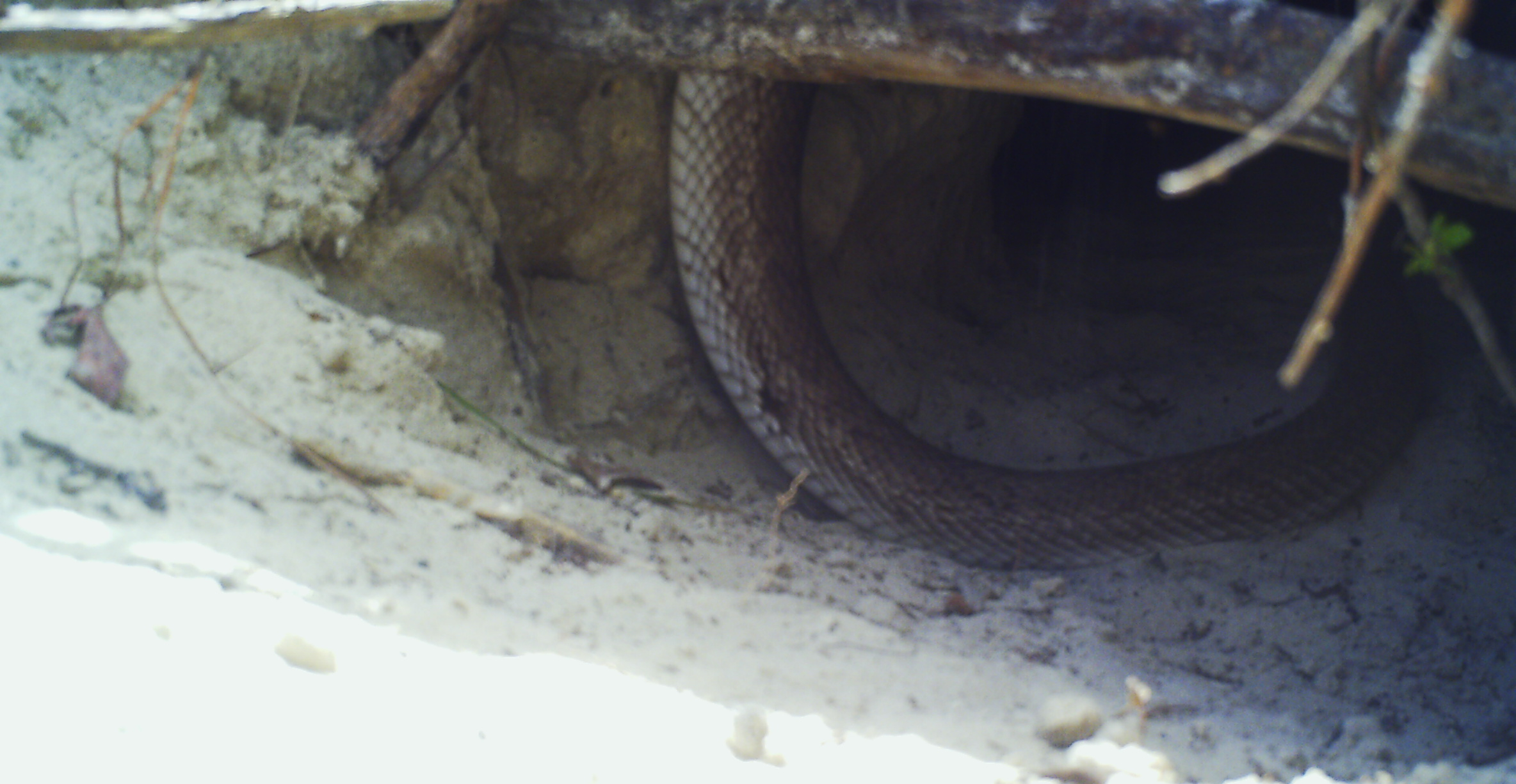
Between 350 and 400 different species of animal and insect have been found using gopher tortoise burrows. These are called called commensal species. Tortoise burrows are used by other species as places to live, shelter during bad weather and fire, raise their young, and hunt. Killing and relocating gopher tortoises is a major problem, but their burrows are so important to these other species that their destruction is even more damaging than it would initially appear.
In fact, the burrows are so important to the various species they support that the Florida FWC’s own Gopher Tortoise Permitting Guidelines, revised in 2023, note that “[i]n the case of the eastern indigo snake, these tortoise declines were a factor in the snake being listed as a federally Threatened species under the Endangered Species Act (ESA).” Out of the 350 to 400 species that depend on burrows, FWC’s Gopher Tortoise Permitting Guidelines focus on only four: the Florida mouse (Podomys floridanus), the Florida pine snake (Pituophis melanoleucus mugitus), the Eastern indigo snake (Drymarchon couperi), and gopher frog (Lithobates capito).

POPULATION DECLINE
Tortoises disappearing
Overview
Despite having been given some protection in the state of Florida in 1979, gopher tortoise populations have been in decline for decades. Research suggests that populations have declined up to 80% over the last century.
Habitat Destruction
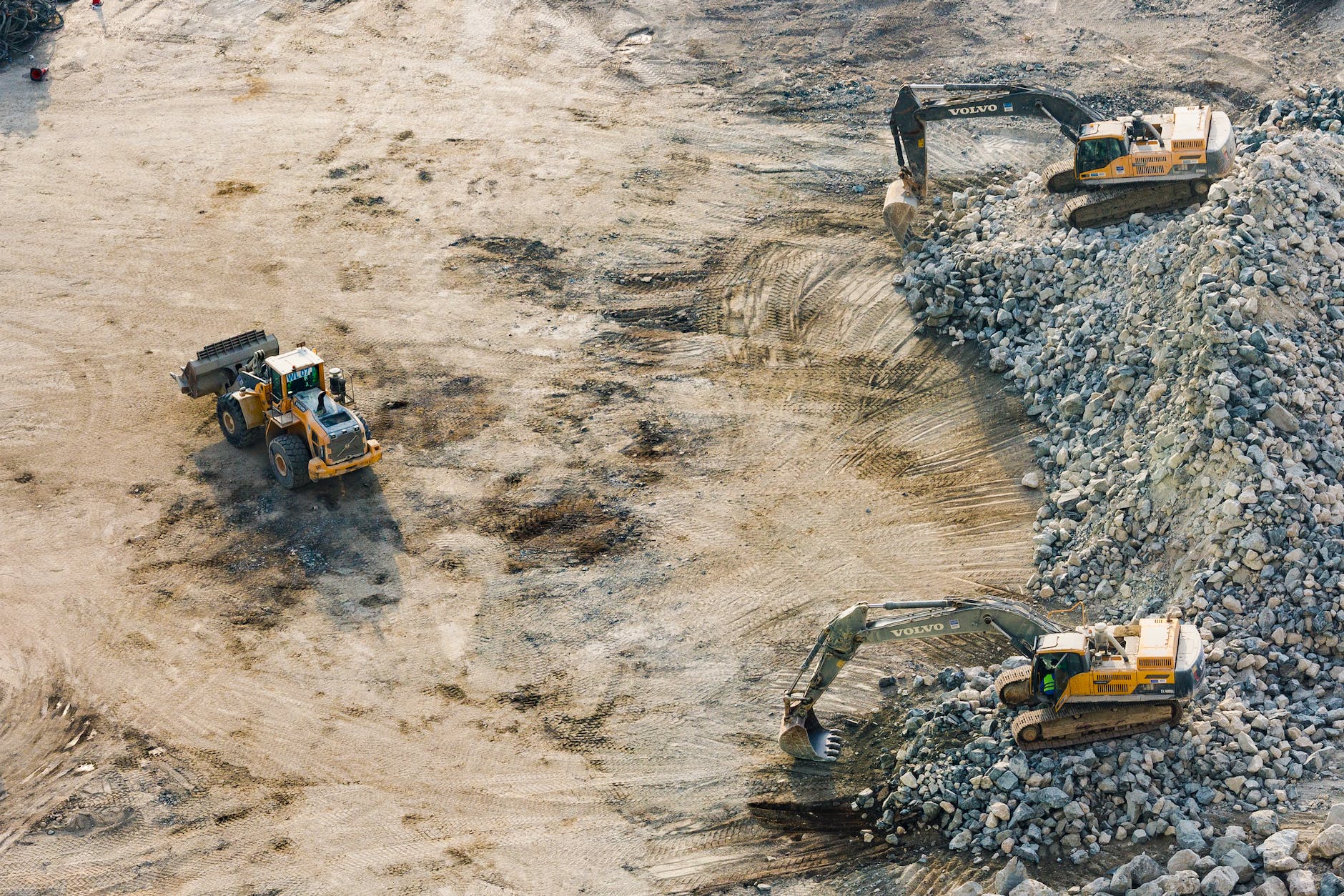
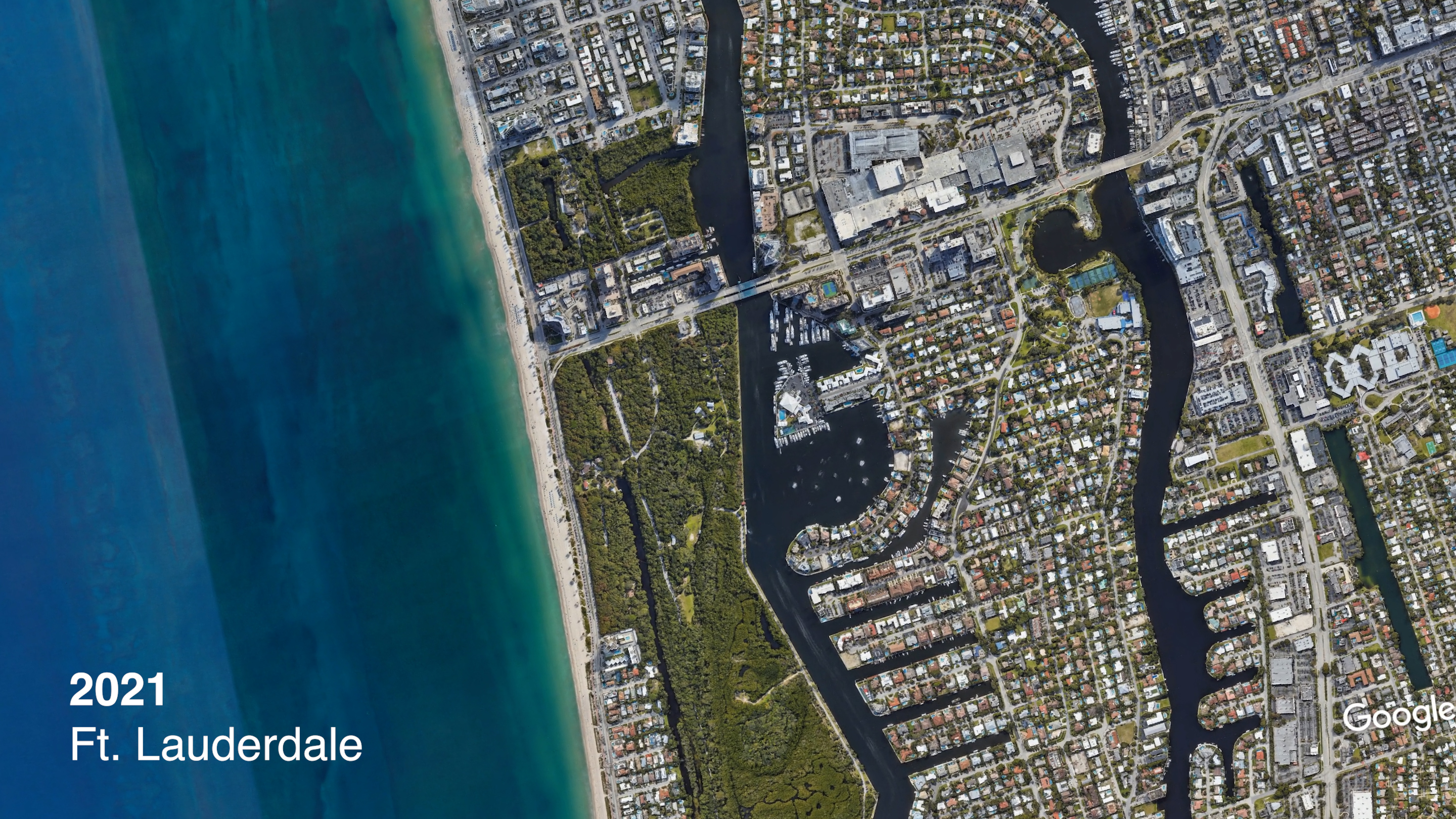
Although gopher tortoises face many threats, habitat loss is the most significant. According to the Florida FWC, “The primary threat to the gopher tortoise is habitat loss through habitat destruction, fragmentation, and degradation, particularly from urbanization and development. Land development for residential homes generally occurs in the same high, dry habitats that the tortoise prefers.”
Federal and State Protections
The eastern population of gopher tortoises (those in Alabama, Florida, Georgia, Louisiana, Mississippi, and South Carolina) is currently listed as “secure” by the US Fish and Wildlife Service. The state of Florida listed gopher tortoises as “threatened” in 2007 and that remains their current status according to the state.
Sources
Of the Utmost Importance
Without these burrows, we could lose between 350 and 400 different species. So why is the government reducing protections rather than introducing legislation to control the devastation development is having on upland habitats?
POPULATION EXPLOSION
Humans Everywhere
Statistics
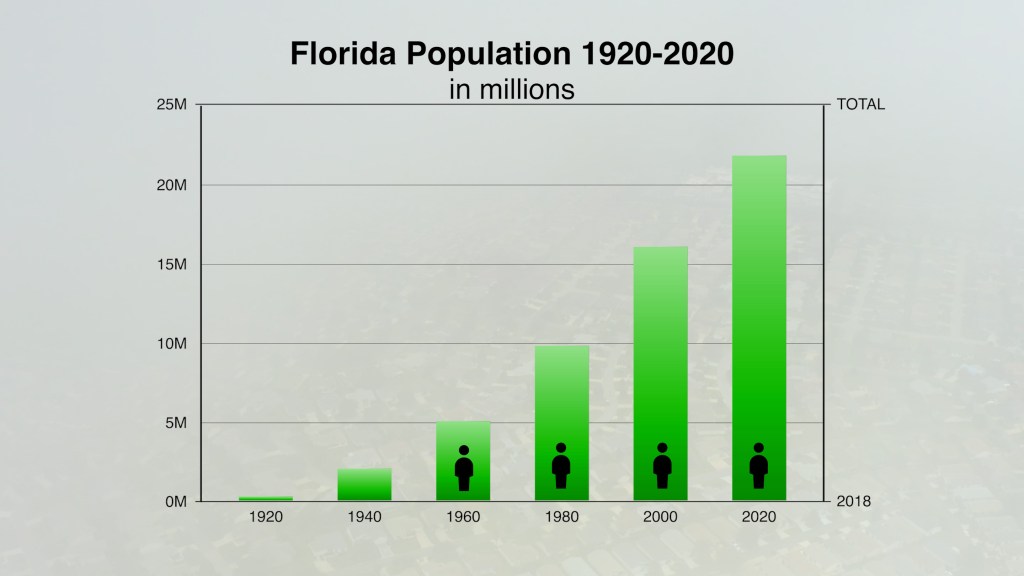
Florida is seeing a population boom. The country’s 26th largest state by land area, Florida had no cities of more than 10,000 people as late as 1910. According to the US Census Bureau, Florida was the country’s fastest growing state in 2022 (the most recent year information was available at the time of this website update). The Census Bureau points out that “Florida’s percentage gains since 1946 have been impressive: its 2022 population is just over 9 times its 1946 population of 2,440,000.” This is even more significant considering that Florida is already the third most-populous state!
The Future?
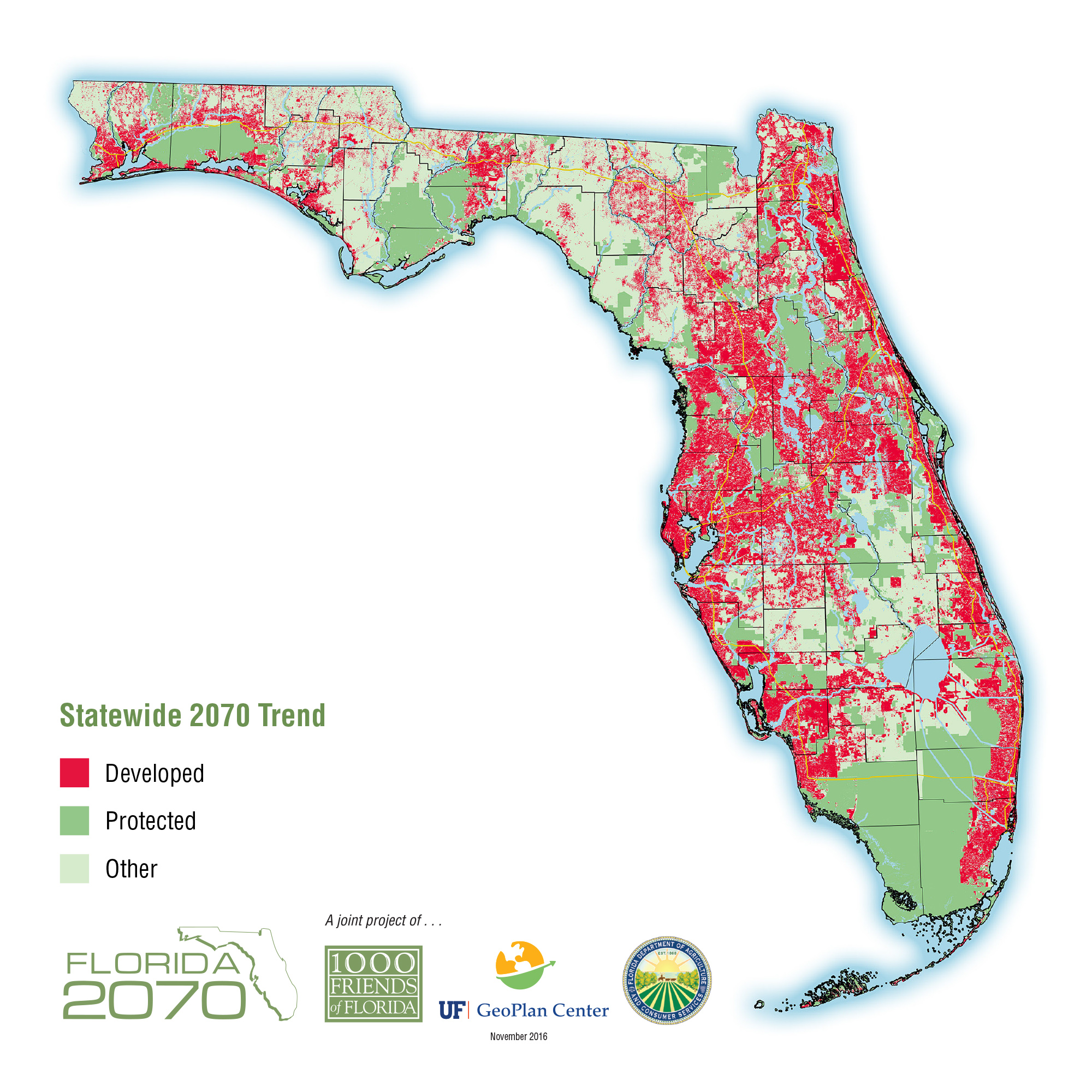
This increase in population has big impacts on the environment–and on gopher tortoises. If current trends continue, more and more of Florida’s remaining wild spaces will be developed, and the remaining gopher tortoises will find themselves pushed into smaller and smaller areas of the state. To see more data on this problem and potential solutions, check out the Florida 2070 Plan.
RESCUE AND REHAB
By the numbers
Swamp Girl Adventures
In the documentary, we interview Kim Titterington of Swamp Girl Adventures Rescue and Rehab on the topic of gopher tortoise injuries across the state of Florida. In addition to helping us tell the story of what problems these animals face on a daily basis, she gave us statistics on exactly what type of rescues she sees at her facility.
Statistics
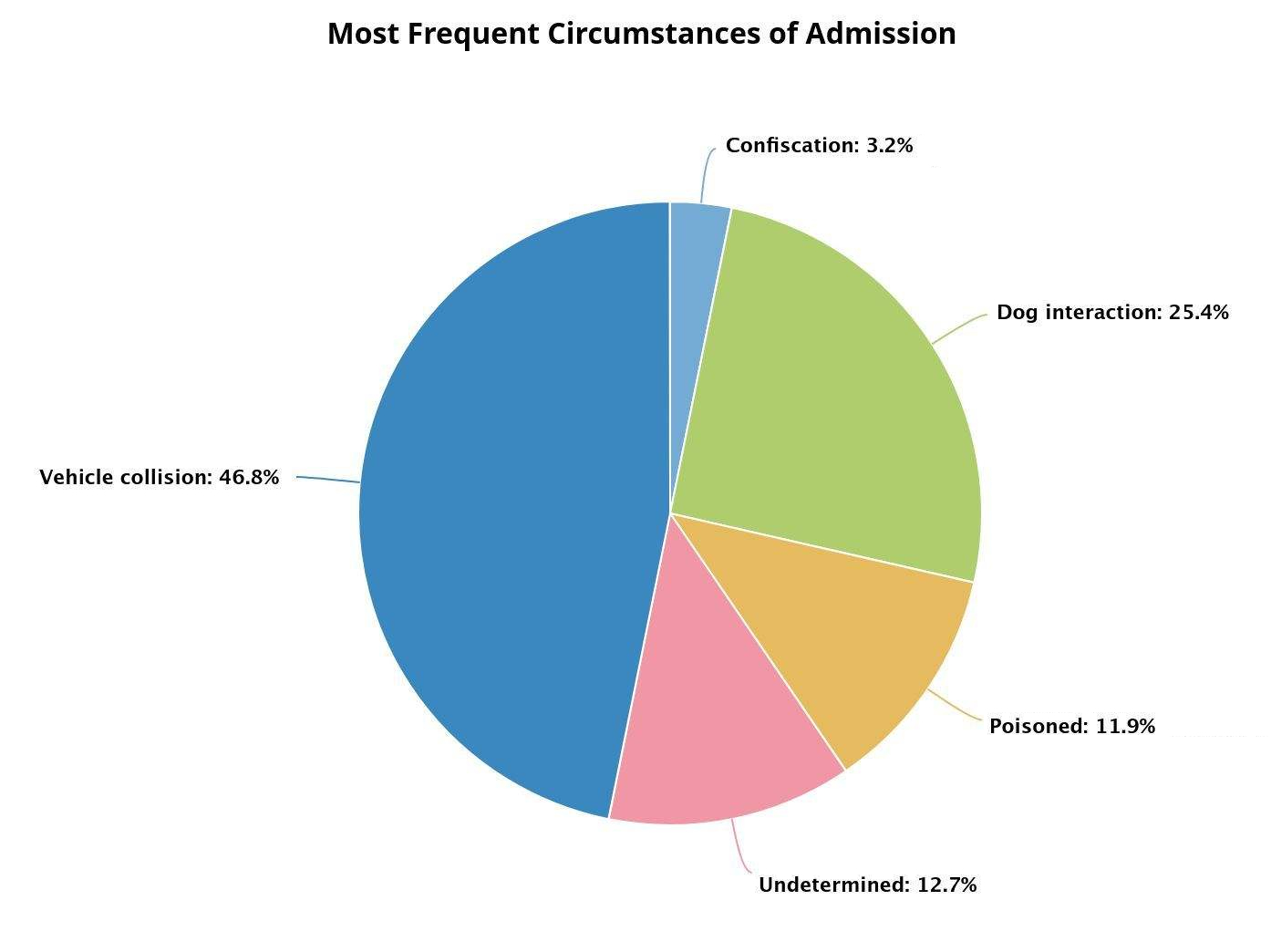
The first chart, Most Frequent Circumstances of Admission, shows the different reasons that Swamp Girl Adventures rescued gopher tortoises during 2023. The Undetermined category (12.7% of rescues) includes disease, the only factor not directly related to human interactions with tortoises. This means that the remaining 87% of tortoises rescued by Swamp Girl Adventures were in trouble because of humans, our vehicles, and our pets. Clearly, human interactions with tortoises are a problem.
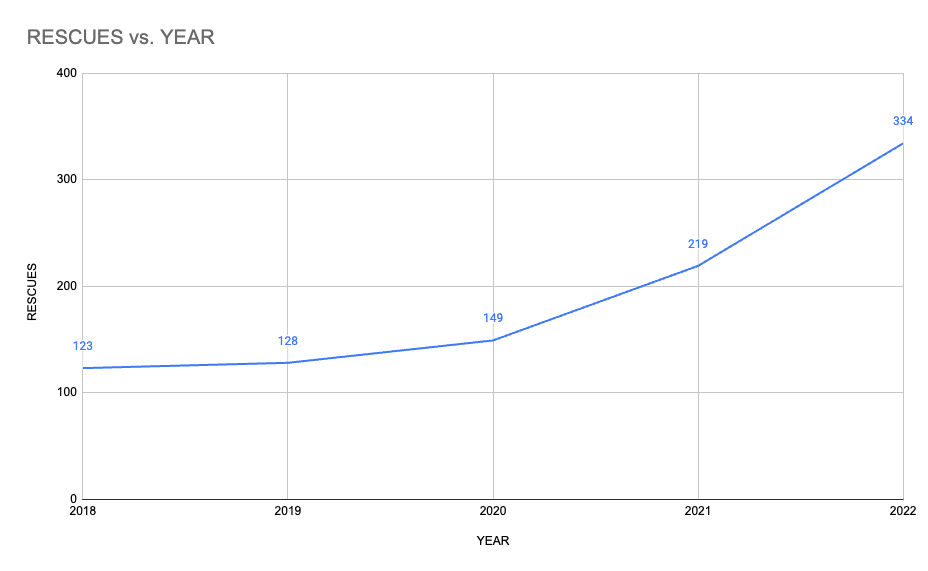
The second chart, RESCUES vs YEARS, shows that the rate of gopher tortoise rescues has dramatically increased over the past five years, going from 123 rescues in 2018 to 334 rescues in 2022. The problems facing gopher tortoises are getting worse as development becomes more of a problem, forcing tortoises to live closer and closer to human activity and in smaller and smaller areas.
DECLINING HABITAT
Losing the uplands
Overview
Gopher tortoises can be found in a variety of upland habitats, such as savannas and coastal dunes, all of which face their own development-related challenges. However, the decline in longleaf pine forests is particularly concerning. In the same Species Special Assessment by the US Fish and Wildlife Service (USFWS) that declined protections for the eastern population of gopher tortoises, USFWS acknowledged a dramatic loss of 97% of longleaf pine habitat in the American Southeast.
Longleaf Pines
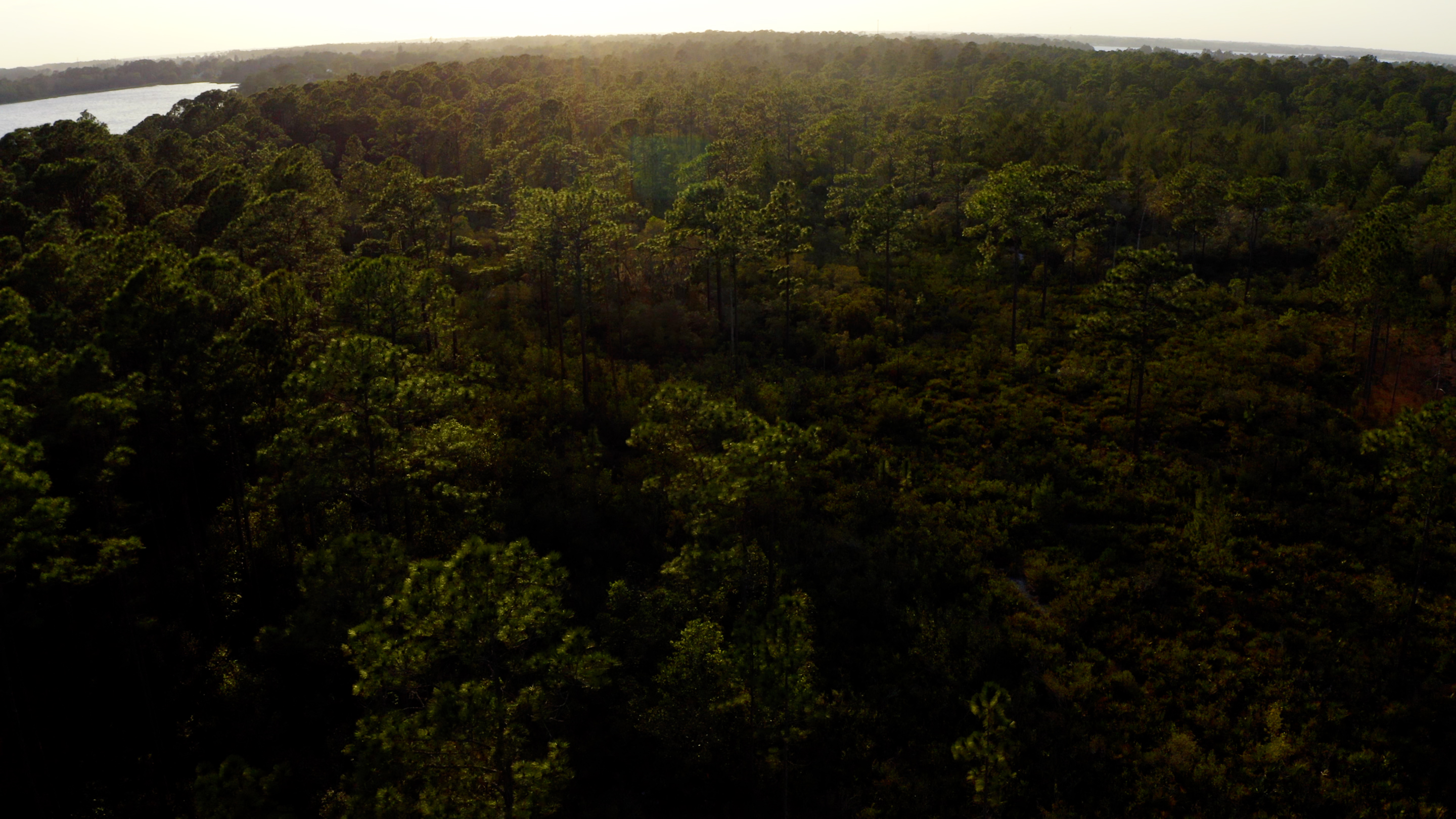
Longleaf pines (Pinus palustris Mill.) are an incredibly important species of tree found in the Southeast United States. These trees can reach heights of up to 125 feet and take up to 150 years to mature. They generally live around 250 years, but trees as old as 450 years have been documented. Longleaf pines once covered an estimated 60 million acres of the Southeast. They are home to countless unique and imperiled species, such as the federally endangered Eastern indigo snake (Drymarchon couperi) and the near-threatened gopher frog (Lithobates capito). Tragically, an estimated 97% of these forests have already been lost. The 3% remaining is in peril due to invasive species (plants, animals, as well as diseases), further human encroachment, habitat manipulation, and lack of federal and state initiatives and support for wildlife-geared agencies.
Fragmentation
Habitat becomes fragmented when development–such as roads, agriculture, and residential/commercial projects–breaks landscapes into smaller and smaller pieces. Studies suggest that fragmentation has a negative impact on gopher tortoises. As good habitat becomes more and more scarce, gopher tortoises begin looking for new places to live, putting them at risk of death and injury on roadways. Fragmentation also makes it harder to manage natural areas using tools such as prescribed fire. The remaining areas of habitat are also subject to pressures from invasive species (such as wild pigs) and wildlife disease.
SPECIES ASSESSMENT
By the USFWS
The Assessment
Gopher tortoises west of the Mississippi River have been protected under the federal Endangered Species Act (ESA) since 1987. No such protection is given to eastern populations of gopher tortoises. In 2011, the US Fish and Wildlife Service (USFWS) considered listing the eastern population. However, it determined that “the gopher tortoise in the eastern portion of the range warranted listing, but listing [is] precluded due to higher priority actions.” In 2019, the Center for Biological Diversity (CBD) and their allies sued the federal government to force them to protect the eastern population of gopher tortoises (press release). Following the lawsuit, USFWS began preparing a Species Special Assessment on both the eastern and western populations of the gopher tortoise to determine whether they should be granted protections under the ESA.
The Decision is NO
In 2022, despite predicting enormous population declines over the next 80 years, the USFWS decided not to extend protections to the eastern gopher tortoise population. The western population retained protected status. However, because western gopher tortoises make up “only 8 percent of the estimated rangewide population,” the vast majority of gopher tortoises are not protected by the ESA.
Another Attempt
In late 2023, CBD (with Nokuse Education, Inc.) once again sued the federal government to challenge their denial of endangered species protection for the eastern population of tortoises (press release). As of April 2024, the lawsuit is still pending.
The Timeline
Please see below for a detailed list of the history of gopher tortoise protections in Florida with source links in the column on the right. (Please note that we were unable to find links to some older pieces of legislation. If you have access to these documents and are willing to share, please contact us.)
Gopher Tortoise Protection Timeline
This timeline is detailed but does not cover every single thing that has happened since their first regulation in 1972.
For more on the timeline, visit page 124 (PDF page 143) of the FWC’s Gopher Tortoise Management Plan.
(some events are too old to have digital sources linked)
| YEAR | DATE | EVENT | LINK |
| 2023 | Aug. 9 | CBD sues USFWS over denial of tortoise protections | Report |
| 2022 | Oct. 11 | USFWS declines to protect gopher tortoises in Eastern range | Report |
| 2022 | May 6 | Gov. DeSantis approves SB 494 | SB 494 |
| 2022 | March 10 | FL House approves SB 494 | SB 494 |
| 2022 | March 9 | FL Senate approves SB 494 | SB 494 |
| 2022 | Feb. 16 | FWC extends 90 day executive order to 150 days | EO 22-06 |
| 2021 | Nov. 18 | FWC executive order weakens relocation program | EO 21-27 |
| 2021 | Oct. 19 | FL House discusses reducing relocation costs | Video |
| 2021 | Oct 13. | Senator Hutson introduces SB 494 | Article |
| 2019 | May 23 | CBD sues USFWS on behalf of gopher tortoises | Release |
| 2011 | July 27 | USFWS says gopher tortoises declining but low priority | Report |
| 2007 | April | FWC ends entombment, begins relocation program | Report |
| 1991 | Incidental take permits begin | Link unavailable | |
| 1988 | Florida bans gopher tortoise harvesting & burrow gassing | Link unavailable | |
| 1972 | Florida regulates harvest, sale, export of tortoises | Link unavailable |
ENTOMBMENT
Legal Killing
“Buried Alive” vs. “Entombed”
Being buried alive means that a gopher tortoise is inside its burrow when the burrow is collapsed or demolished. Entombment is when the tortoise is buried alive and cannot dig out, resulting in death. More research is needed on whether tortoises are able to dig out after being buried alive, and what factors (such as the type of soil, the season, and activity at the burrow site) impact survival. Although one study suggested that tortoises can dig out under some circumstances, it also found that the tortoises were more likely to abandon their burrows afterwards.
Incidental Take Permits
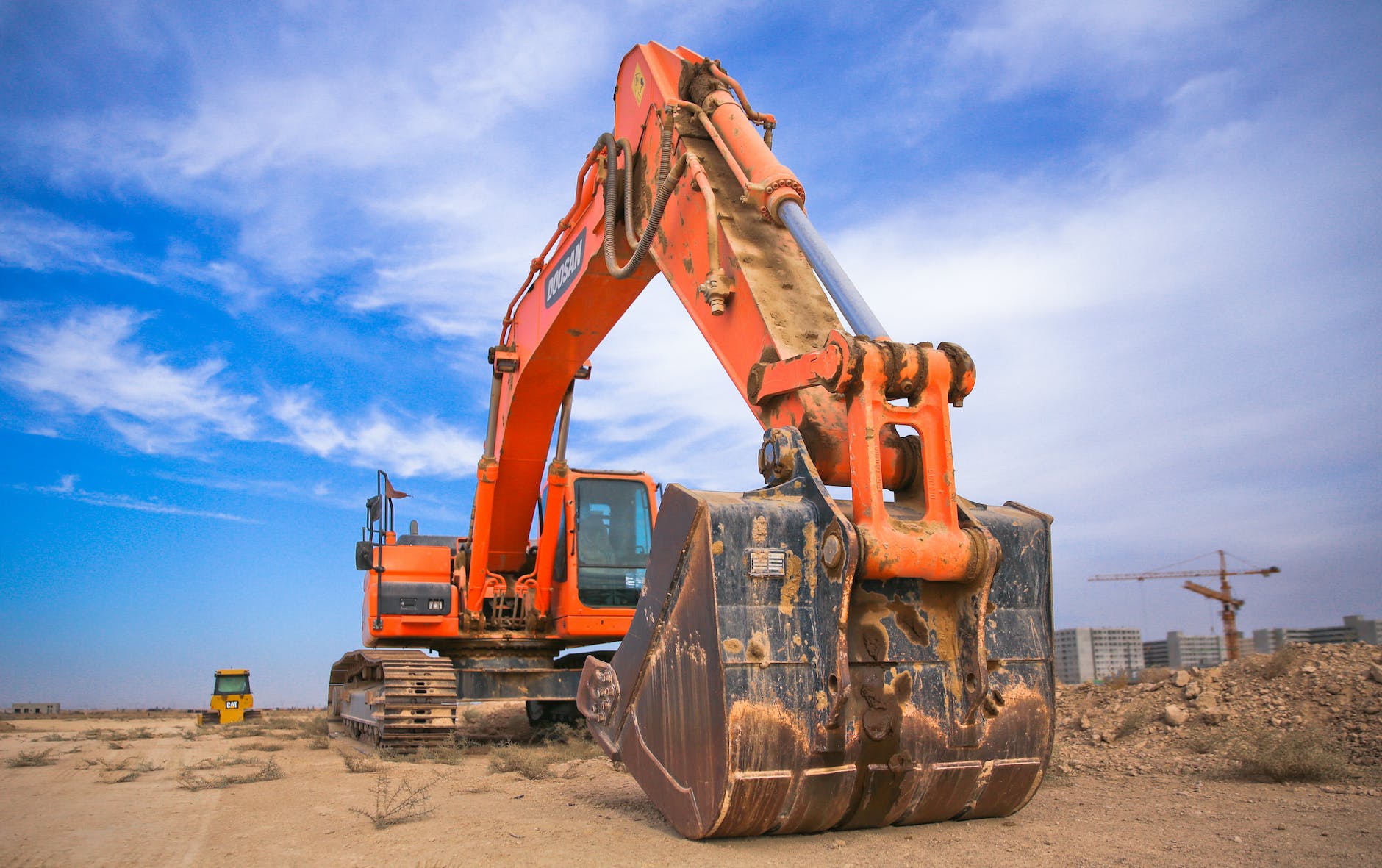
Beginning in 1991, the state of Florida began issuing Incidental Take Permits (ITPs) to developers, allowing them to legally entomb tortoises on land they were developing. The ITPs resulted in an estimated 100,000 tortoises buried alive, entombed, or displaced. ITP fees earned the state of Florida an estimated $80 million and resulted in approximately 170,000 acres of gopher tortoise habitat lost. The purpose of the program was to use the ITP fee money to purchase habitat for tortoises. But according to Matt Aresco of Nokuse, the state “only purchased about 16,000 acres of land and only about 6,500 acres of actual gopher tortoise habitat. That’s only about a 4 percent offset of what was lost in habitat during that time.” Although ITPs are no longer issued by Florida FWC, approximately 3,000 of them are still active, allowing developers to entomb tortoises.
Survival Time
There is very little research on how long a gopher tortoise can survive after being entombed and a variety of factors (described at left) come into play. However, reliable eyewitnesses living near development sites have said they have seen tortoises survive being buried alive for almost a year before being dug out of their burrow by a rescue organization. This tracks with what other tortoise advocates have said.
Ultimately, if a tortoise cannot dig out after being buried alive, it will slowly die of starvation or suffocation, or will succumb to a bacterial or respiratory infection. The commensal species that share the tortoise’s burrow, too, share this dark end.
Legal Entombment is Still Here
Although the Florida FWC stopped issuing incidental take permits (ITPs) in 2008, there are still about 3,000 of them still active, allowing developers to legally entomb tortoises.
NO NET LOSS
Confusing standards
Loss of Tortoises vs. Loss of Habitat
The Florida Fish and Wildlife Conservation Commission (FWC)’s Gopher Tortoise Management Plan has a stated goal of “incur[ring] no net loss of gopher tortoises.” Although the plan does place emphasis on habitat conservation through “public and private land acquisition,” there isn’t a requirement for no net loss of habitat throughout the whole state. The agency’s Gopher Tortoise Permitting Guidelines do call on the agency to “increase and improve gopher tortoise habitat,” but this only refers to land managed by the state. In other words, it’s possible to expand state-managed habitat while still losing overall habitat.
In practice
Protecting land from future development is an obvious way to protect gopher tortoises and the 350 to 400 species that rely on their burrows. By focusing on “no net loss” of tortoises rather than on sustainable development and preventing the overall loss of suitable habitat, the result is that the same number of tortoises are being pushed into smaller and smaller areas.
We can show the receipts
Just to drive the point home, here are links to research done by the federal government and others showing the decline in gopher tortoise populations.
Enge et al Biological Status Report Gopher Tortoise 2006
Puckett and Franz Gopher Tortoise A Species in Decline 2001
McCoy et al A Comparison of GIS and Survey Estimates of Gopher Tortoise Habitat 2002
RAMPANT DEVELOPMENT
All About the Money
The Problem
Since both humans and gopher tortoises compete for the same upland areas to live in, unchecked development in Florida is quickly becoming a death sentence for tortoises and the many species that share their burrows. There is no easy way to fix this problem, but preserving land is a great place to start.
Sadly, preventing the overall loss of gopher tortoise habitat is not part of the Florida FWC’s gopher tortoise protection policies. This is perhaps unsurprising, as representatives of the development industry sit in seats at every level of Florida government (see ELECTED CORRUPTION section below).
Florida 2070 Project
The Florida 2070 project is a collaborative effort by 1000 Friends of Florida, the University of Florida GeoPlan Center, and the Florida Department of Agriculture & Consumer Services. This research project aims to show how the “cumulative effect of multiple small land use changes will, over time, shape the future landscapes of Florida for better or worse.” Simply put, we may be able to protect many of our wild areas and support our ecosystems if we act now.
The project shows the state of development in Florida at the time of publication and uses a variety of tools to project what the state will look like in 2070. If we continue on the current trajectory, the picture is bleak. But the researchers on this project also propose a development plan that may help the state “save 1.8 million acres of land development and conserve an additional 5.8 million acres of natural and agricultural land”– if we have the public will to implement it.
Recipient Sites
The Florida FWC’s current gopher tortoise management plan revolves around private individuals using their own land as recipient sites–places that tortoises displaced by development can be relocated. The recipient site program was designed to create a financial incentive for private landowners to manage their land and accept relocated tortoises. Recipient site owners receive up to $6,000 per tortoise from the state. But relocating tortoises is a money game: up until 2023, only privately-held lands could be designated as recipient sites, as the state did not want to be in direct financial competition with private industry.
Unfortunately, recipient sites are also frequently used for agriculture and silviculture (tree farming), which can degrade the health of the landscape. Since they’re largely managed for the crop species being grown, many recipient sites are not fully functional ecosystems. Additionally, recent legal changes mean that recipient sites can now be as small as 25 acres–much smaller than the previous requirement of 40 acres, and far below the 250 acres biologists estimate tortoise populations need.
Increasingly, Florida is running out of recipient sites with enough room for more tortoises. This causes the price of relocating tortoises to go up–a situation that became so concerning for developers that FWC issued Executive Order 21-27 in 2021, temporarily relaxing restrictions on tortoise relocations.
How to Become a Recipient Site
Although relocating tortoises for development is not going to solve the problem of unsustainable development, it’s still an important tool for protecting the current tortoise population. If you own land in Florida and want to consider becoming a recipient site for relocated gopher tortoises, please visit this site.
Florida Population Statistics
Chronologically, Elise and Kim talk about the rising population in Florida at this point in the film, but it’s already covered above. Please scroll up and see the section called “POPULATION EXPLOSION” with a population graph below it.
NO MORE LAND
Recipient site problems
Recipient sites
As mentioned in the section RAMPANT DEVELOPMENT, recipient sites are Florida state-approved sites of more than 25 (formerly 40) acres where gopher tortoises can be moved when the land they live on is developed. These sites are helpful in housing displaced tortoises. However, the FWC’s focus on increasing the number of recipient sites rather than promoting sustainable development has led to an ever-growing shortage of wild places for tortoises to live.
Executive Order 21-27
The situation became so concerning that in November 2021, the FWC issued an Executive Order, EO 21-27, temporarily relaxing guidelines for gopher tortoise relocation. The order was extended for 60 days (EO 22-06) in February 2022 and again for 90 days in April 2022 (EO 22-06 Amendment 1) before being allowed to expire. The EO authorized temporary deviations from the Gopher Tortoise Permitting Guidelines created to protect the tortoises:
“The EO temporarily reduces mitigation fees for relocation to recipient sites that have enforceable protections, but which may not be under perpetual conservation easement. The EO also extends the ability to move tortoises to recipient sites more than 100 miles north or south of their original location. This option was already available in the Guidelines under certain circumstances. Finally, the EO authorizes staff to determine if other relocation options are warranted for individual project applications”.
100 Mile Rule
Although EO 21-27 (and later, EO 22-06 and EO 22-06 Amendment 1) allowed for deviations from multiple parts of the Gopher Tortoise Permitting Guidelines designed to protect tortoises, one change that considerably worried tortoise advocates was the waiver of the 100-mile rule. This rule prohibits relocation of tortoises more than 100 miles north or south of the site being developed. The intent of this rule is to ensure long-term tortoise population viability and genetic integrity. Without this rule in place, various populations of gopher tortoises may disappear completely and permanently.
Short and Sweet
For more information on the specific rules waived and issues this caused, check out this press release from the Center for Biological Diversity.
ELECTED CORRUPTION
Developers everywhere
FWC Commissioners
Seven commissioners sit on the on the board for the Florida Fish and Wildlife Conservation Commission (FWC). All are appointed by the Florida Governor and approved by the Florida Senate for a term of five years each. These commissioners decide the fate of many conservation issues in the state, but there is no requirement in the Florida Constitution that they be qualified in any way, or have any knowledge of wildlife conservation.
Elected Developers
As of early 2023, five of the FWC commissioners are either developers by trade or closely connected to real estate development. The other two commissioners have careers in either automotive sales or healthcare administration. Based on their own public biographies, none of these officials appear to have a background in environmental or wildlife sciences. Despite this, some of them have not only served once, but have been reappointed to multiple terms. There are currently no term limits for how long a commissioner can remain on the Board.
Changing the Constitution
Although Florida’s current government has attempted to make it harder for voters to add amendments to the state’s constitution, changing the way the FWC commissioners are given their seats remains one of the best ways to improve the plight of the gopher tortoises. They should not only be qualified for the position, but also elected instead of chosen by the sitting governor.

DEVELOPER HANDOUTS
Legislating by greed
House Committee Meeting
Even as the Florida FWC was considering and eventually passing EO 21-27, the Florida state legislature was beginning to involve itself in the issue of gopher tortoise relocation. During a House State Affairs Committee meeting on October 19, 2021, state representatives questioned Florida FWC officials about the price of relocating gopher tortoises. Many of these questions seemed to be aimed at finding a way to reduce the cost of relocation to benefit development. As Elise points out in the film, these relocation costs are one of the only things slowing the development of gopher tortoise habitat: as what remains of the tortoise’s habitat becomes increasingly scarce, the cost of finding a site to relocate displaced tortoises goes up.
Hutson’s SB 494
Rather than viewing the rising costs of relocating displaced gopher tortoises as a signal that we are running out of habitat and focusing on sustainable development, the Florida Senate instead took up the cause of lowering prices for people developing land. On November 30th, about a month after the Committee meeting, Senator (District 7) and Senior Vice President of the Hutson Companies Travis Hutson proposed Senate Bill 494, which made changes to gopher tortoise management.
SB 494 changes
Although SB 494 had some significant changes before it was eventually passed, the most problematic gopher tortoise management changes initially proposed remain:
- The bill discourages private land conservation by driving down the cost of tortoise relocation, making it less profitable for private land owners while lowering costs for developers.
- The bill allows public land recipient sites to be much smaller than the recommended size calculated by researchers.
For a more in depth explanation, read this letter of opposition by the Center for Biological Diversity.
Open Air Conflicts of Interest
Senator Hutson, the author of SB 494, is the Senior Vice President of a real estate development company called the Hutson Companies, which has rights to “over 12,000 single and multi-family homes, as well as over 7 million square feet of commercial, office and industrial space” (quote from their website).
USFWS Species Assessment
Chronologically, the species assessment by the USFWS is mentioned again during the credits but has already been covered above. See section called SPECIES ASSESSMENT.
That’s the End!
Below are some great ways to get involved, so please dig in. And if you’ve found anything we’re missing or you think we got something wrong, please take the time to tell us!
HOW TO HELP
On your own
See it? Save it!
It’s no secret that gopher tortoises need our help. In addition to the political changes discussed above, Floridians can help by watching out for gopher tortoises and other wildlife living right in their own neighborhood.
If you find an injured gopher tortoise or other wildlife and can safely assist, use this list from the Florida FWC to find a licensed rehabilitator in your area. You can also call the FWC regional office nearest you if you can’t reach a rehabilitator. Do not attempt to rescue and rehabilitate tortoises on your own. In addition to requiring special care to ensure their health, gopher tortoises are protected species in Florida. This means you can find yourself in legal trouble if you are not authorized to work with these animals.
Check Before You Get Them Wet
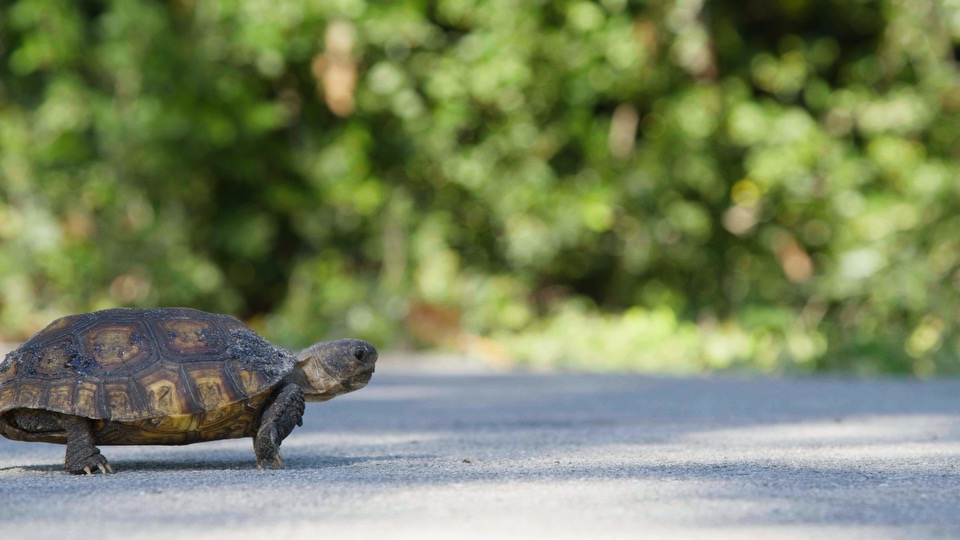
Roadways are a major hazard for gopher tortoises as well as other turtle species. Although it’s not legal to touch or harass gopher tortoises, the law does permit people to move tortoises out of harm’s way if they are found on a road. If you see a tortoise or turtle and want to help, there are a few important things to remember. First, always be safe and make sure that you are not putting yourself or other people in danger. Second, remember that Florida is home to both land-dwelling tortoises and aquatic turtles. Unfortunately, tortoises are sometimes drowned by well-meaning humans who see them and put them in the water, thinking they are turtles. Tortoises do not swim well and should be kept on the land.
If you are unsure whether you have a turtle or tortoise on hand, check the feet! Tortoises have elephantine feet that resemble those of elephants, used to move easily across the land. Turtles have webbed toes that function more like flippers, used for swimming. Don’t forget–check before you get them wet!
Backyard Conservation
You can help make your property a place native wildlife can thrive! Try planting endemic plants and leaving or placing fallen limbs, trees, and other natural debris on your property to create habitat for wildlife. Put up birdhouses, insect hotels, and bat houses. If you can, avoid using herbicides or pesticides on your property, and limit their usage where possible. Turn off porch lights and other outdoor lighting when you are not using it–these lights can potentially interfere with the habits of lighting bugs, owls, amphibians, and many other species. Pick up plastic particles and other items that resemble food sources for these species.
Most importantly, get to the know the animals in your backyard, their behaviors, and their conservation status! Being an advocate for wildlife starts with knowledge.
Burrow Watch
You can also help tortoises by monitoring burrows on your property, roadsides in your area, and natural areas you frequent. If you see burrows that look like they’ve been disturbed by people or pets, contact Florida FWC law enforcement so they can investigate the situation. You can do this by calling FWC’s Wildlife Alert Hotline at 888-404-FWCC (3922), or submitting a tip online through their FWC Wildlife Alert application.
Gopher Tortoises Need Friends!
Ultimately, one of the biggest things you can do to help gopher tortoises is to spread the word about the dangers they face. Start by educating yourself–the links on this page are a great place to start learning about tortoises. Then, talk to your neighbors, friends, and co-workers about gopher tortoises, the importance they have to our ecosystems, and the need to protect these amazing animals.
CONSERVATION TIME!
Look for the helpers
Volunteer
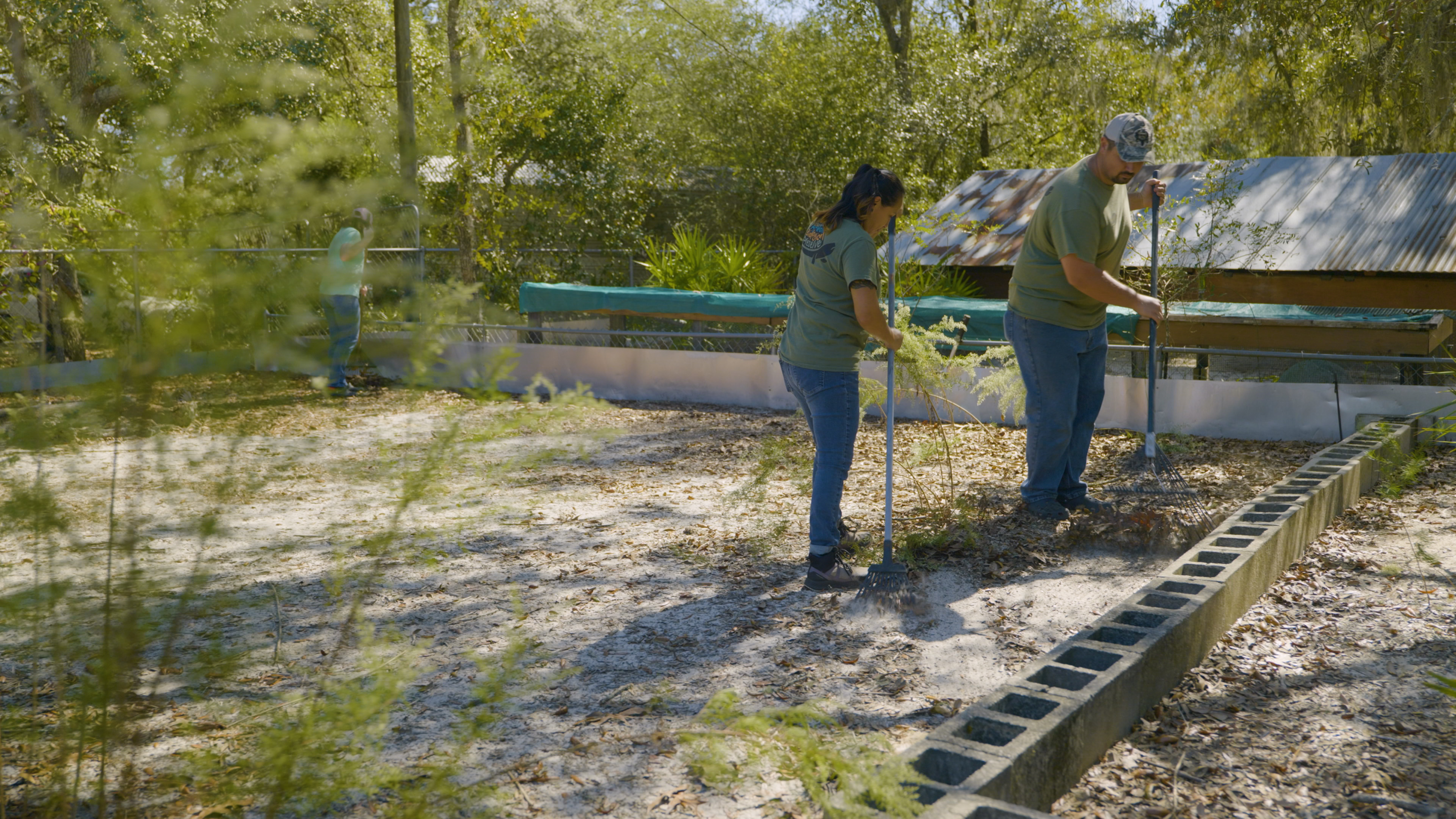
There are many people and organizations dedicated to helping gopher tortoises and other wildlife. If you’d like to help out, we encourage you to volunteer with a local conservation organization (see list at the bottom of the page). Start by doing your homework to find the best fit for you, as there are many organizations focusing on different areas within conservation. If there isn’t a group near you, consider starting up your own initiative. There are a variety of online sources that offer guidance on organizing, or consider reaching out to other groups and asking them to share what they’ve learned. Don’t forget–there are lots of ways to help! Projects ranging from trash clean-ups, working with local schools to promote conservation education, and planting trees in restoration areas can all make a big difference!
Donate
Non-profits and conservation initiatives can always benefit from financial donations to help fund their good work. Every cent counts, and even small donations can go a long way in keeping organizations functioning and effective. Alternately, animal facilities in particular are often on the lookout for supplies such as towels, tools, animal feed, and so on. We recommend getting in touch with the organization you’d like to help and seeing what they need. And don’t forget, volunteering your time is also donating to a facility!
RAISE YOUR VOICE
For lasting change
Living in Florida?
If you’re a resident of the state of Florida, you can look up your congressperson in the Florida House of Representatives here and your Senator here. You can use this link to contact the Governor of Florida. This page will let you email all seven commissioners on the Florida Fish and Wildlife Conservation Commission at once.
Contact the US Fish and Wildlife Service
The USFWS may not be directly elected by citizens, but they still answer to us. If you disagree with their decision to deny deny protections to the gopher tortoises in their eastern range, let them know! You can send a message or visit them in person. They have offices in every state!
VOTE!
There’s a reason so many people talk about how your vote matters: because it does. Without citizens, the government has no power. So it’s time to let them know we want our tax dollars spent saving wild places, not paving them. Visit VOTE.ORG to let your voice be heard!
Support Other Organizations
Although developers have deep pockets and are influential in Florida, there are countless organizations that work to help gopher tortoises and other conservation projects. Check out the list below.
Conservation Organizations
Preserves and Rehab Sites
- Rescue sites in your area
- Ashton Biological Preserve
- Swamp Girl Adventures Rescue and Rehab
- Sunrise Wildlife Rehab
Advocacy

We’d like to extend special gratitude to the FWC
 officers, researchers, and employees who work
 tirelessly to conserve Florida’s wildlife, despite
 bureaucracy and many other hardships they face.
They are absolute heroes.
- The Filmmakers

